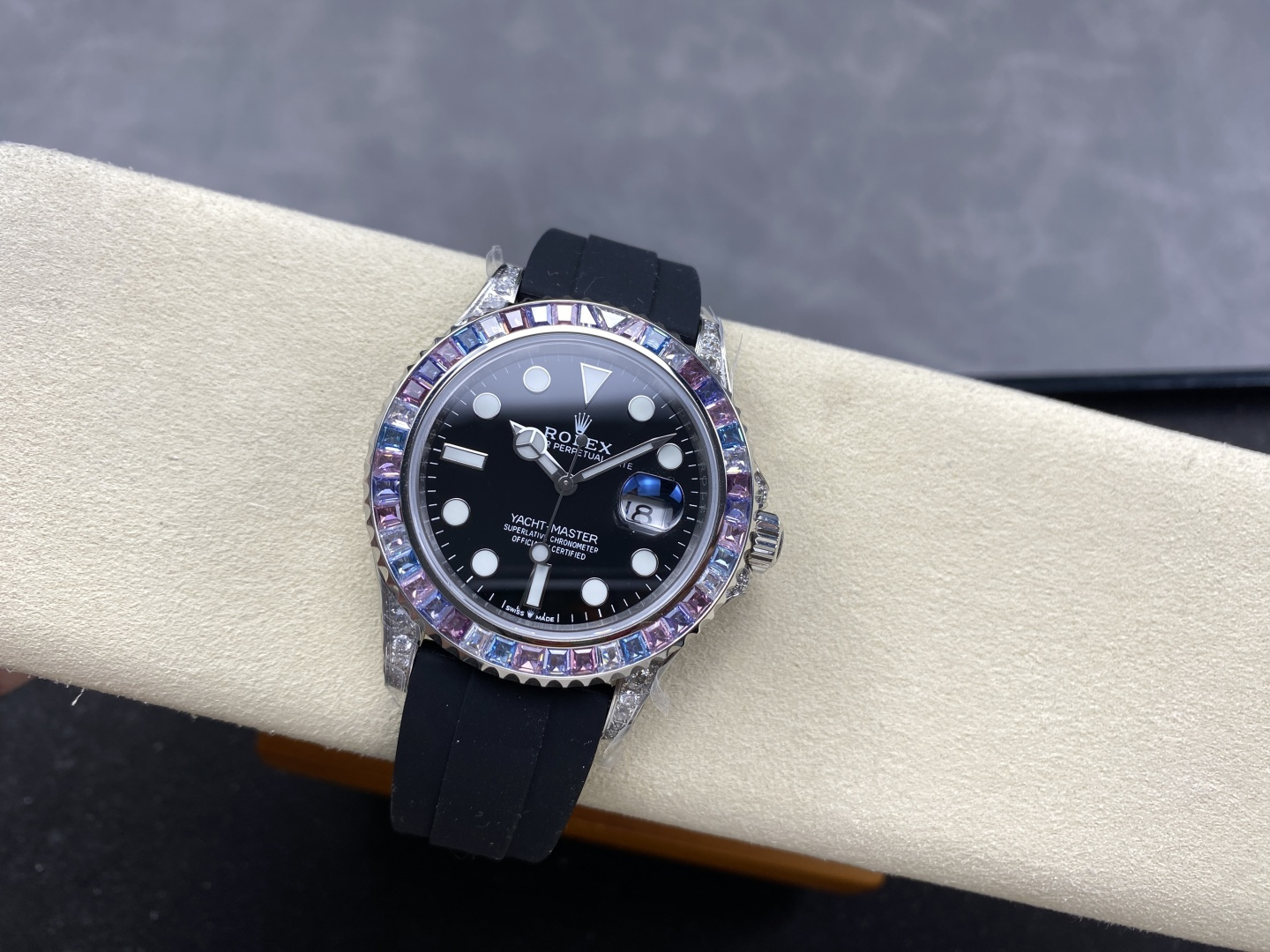
The Truth About High-End Rolex Fakes That Most Reviews Won’t Tell You
I have been in the replica watch game for over seven years. Not as a dealer, not as a reviewer who gets free samples, but as a buyer who has spent real money on more than two dozen pieces from various factories. This article is not a sales pitch. It is a breakdown of what actually matters when you are considering a premium fake Rolex, specifically the models powered by the 3235 movement. If you are looking for a shallow “buy this, avoid that” list, there are plenty of those on the first page of Google. This is not that.
Why the 3235 Movement Changed the Replica Game
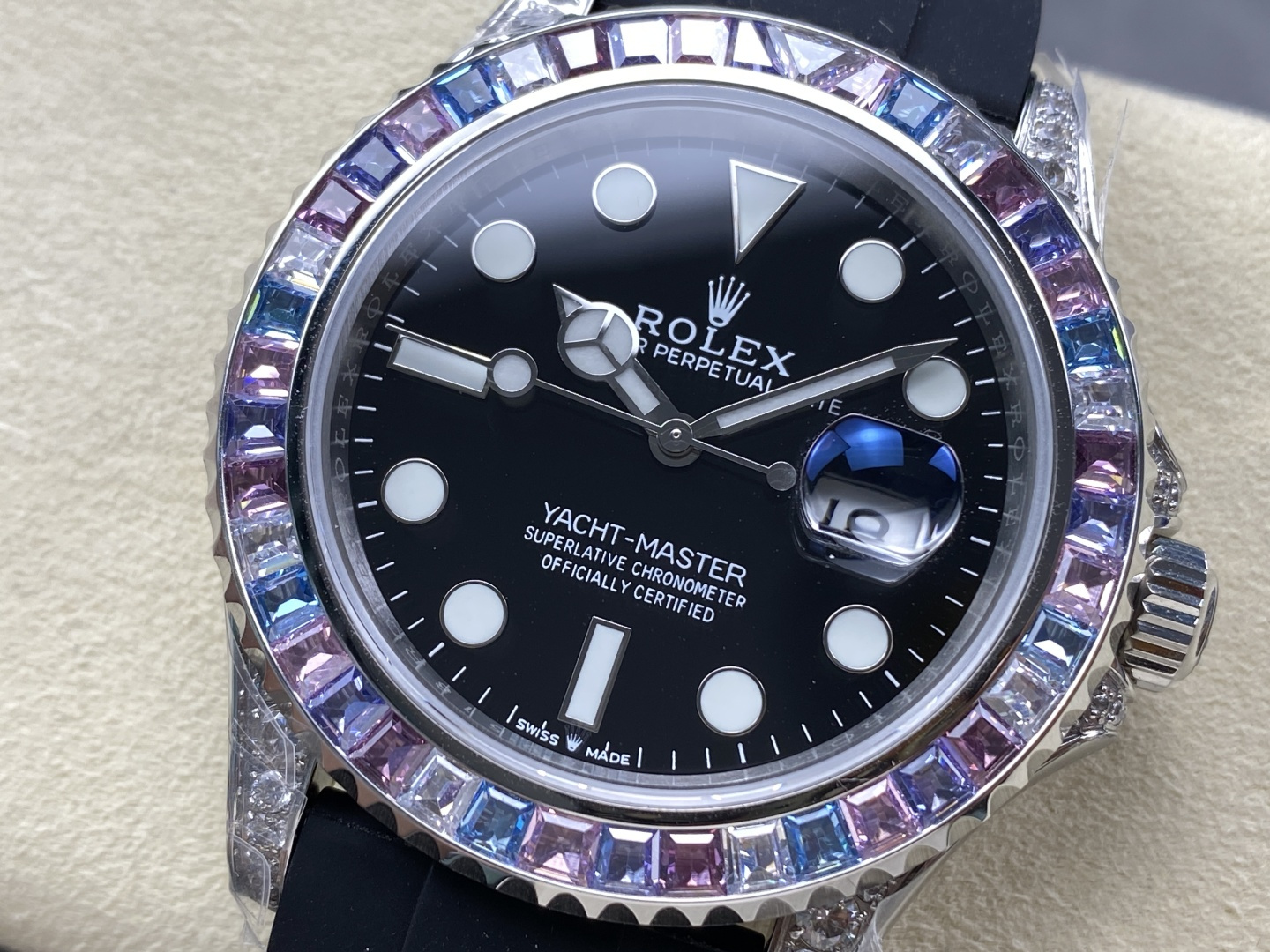
Before I get into specific models, I need to talk about the movement because it is the single biggest factor separating a decent replica from a genuinely impressive one. In my experience, most first-time buyers obsess over the dial, the bezel, or the bracelet. Those are important, but the movement is what you interact with every single day. It is what determines whether you wear the watch or leave it in the box.
What the 3235 Clone Actually Is
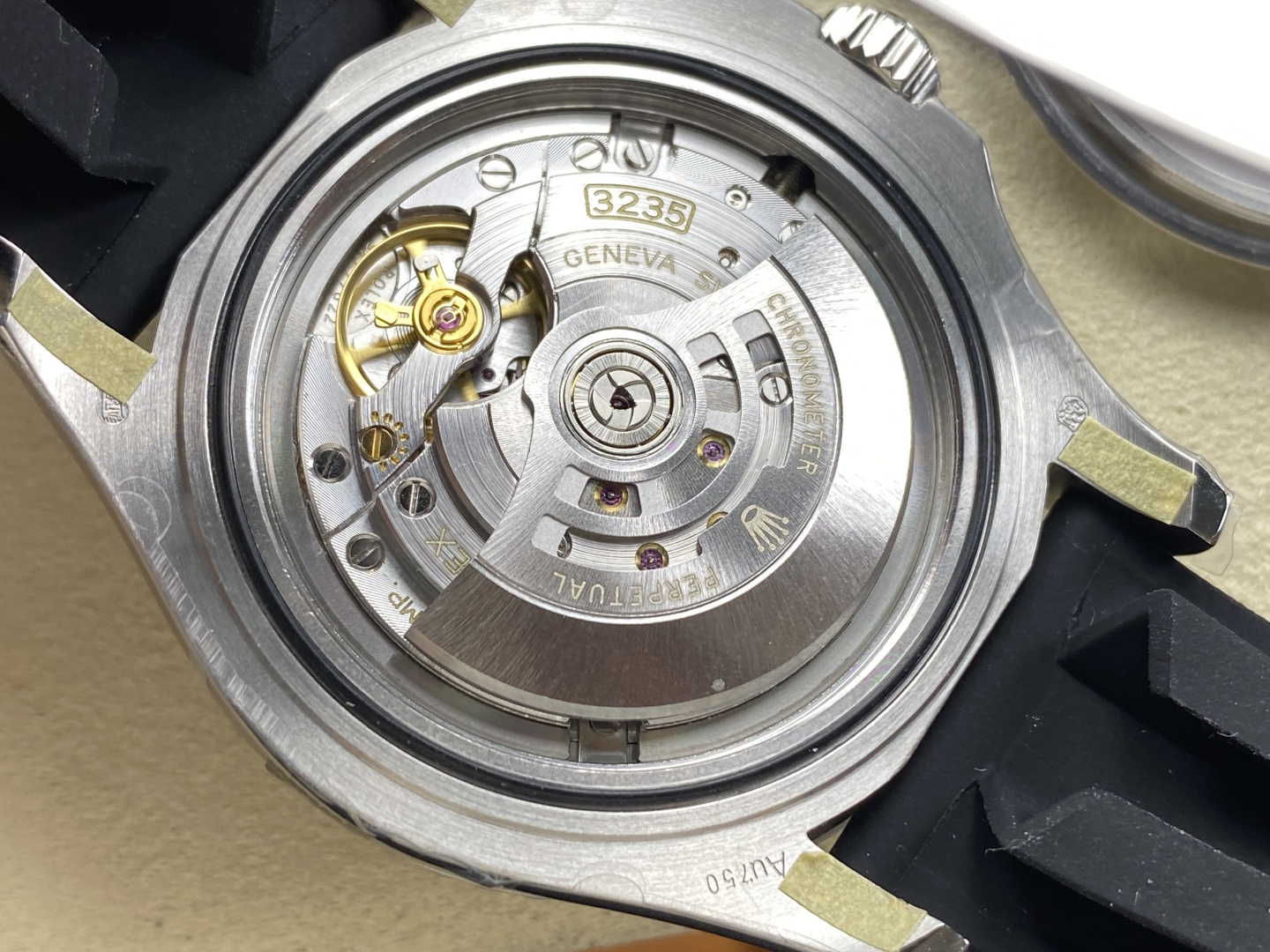
The 3235 is Rolex’s latest-generation automatic movement, introduced around 2015. It replaced the 3135 and brought a longer power reserve, a new escapement, and improved precision. The replica version from the top factories is not a generic Chinese movement with a decorated rotor. It is a 1:1 clone, meaning the engineers have reverse-engineered every component down to the gear ratios and jewel placement. In the best examples, the cloned 3235 shares the same dimensions as the genuine movement, so it fits the case without any modification or spacers. The balance bridge, the escapement wheel, and even the hairspring stud are structurally identical to the original.
Why This Matters for a Buyer
When you buy a watch with a 1:1 clone movement, you are not just buying a visual replica. You are buying a mechanical system that behaves like the real thing. The winding efficiency, the hand-winding feel, the date change at midnight—all of these are engineered to replicate the genuine experience. In my experience, the difference between a clone movement and a generic ETA-based replica is night and day. The ETA-based watches feel like cheap watches dressed up as Rolex. The clone movement feels like a Rolex that happens to be made in China.
So What Does This Mean for You?
The practical impact is simple: you can wear the watch daily without frustration. The power reserve on the best 3235 clones is around 70 hours, which is close to the genuine 70-hour rating. In real use, I have seen the clone run for nearly three days on a full wind. That means you can take it off on Friday evening and put it on Monday morning without setting the time. The stability is also surprisingly good. The best clones keep time within -5 to +10 seconds per day, which is not certified chronometer territory, but it is perfectly acceptable for a mechanical watch that costs a fraction of the genuine price. The downside is that servicing the 3235 clone is difficult. Most local watchmakers will not touch it, and even experienced modders find the movement tricky to work on. If something breaks, you are usually better off replacing the entire movement rather than attempting a repair.
The Visual Gap Between Genuine and Premium Replica
Here is where a lot of buyers get stuck. They stare at macro photos side-by-side and try to spot the difference in the laser etching or the chamfer on the date window. This is the wrong approach. In my experience, the real gap is not in the tiny details that you only see under a loupe. It is in the overall impression that the watch makes on the wrist.
What You Actually See in Daily Wear
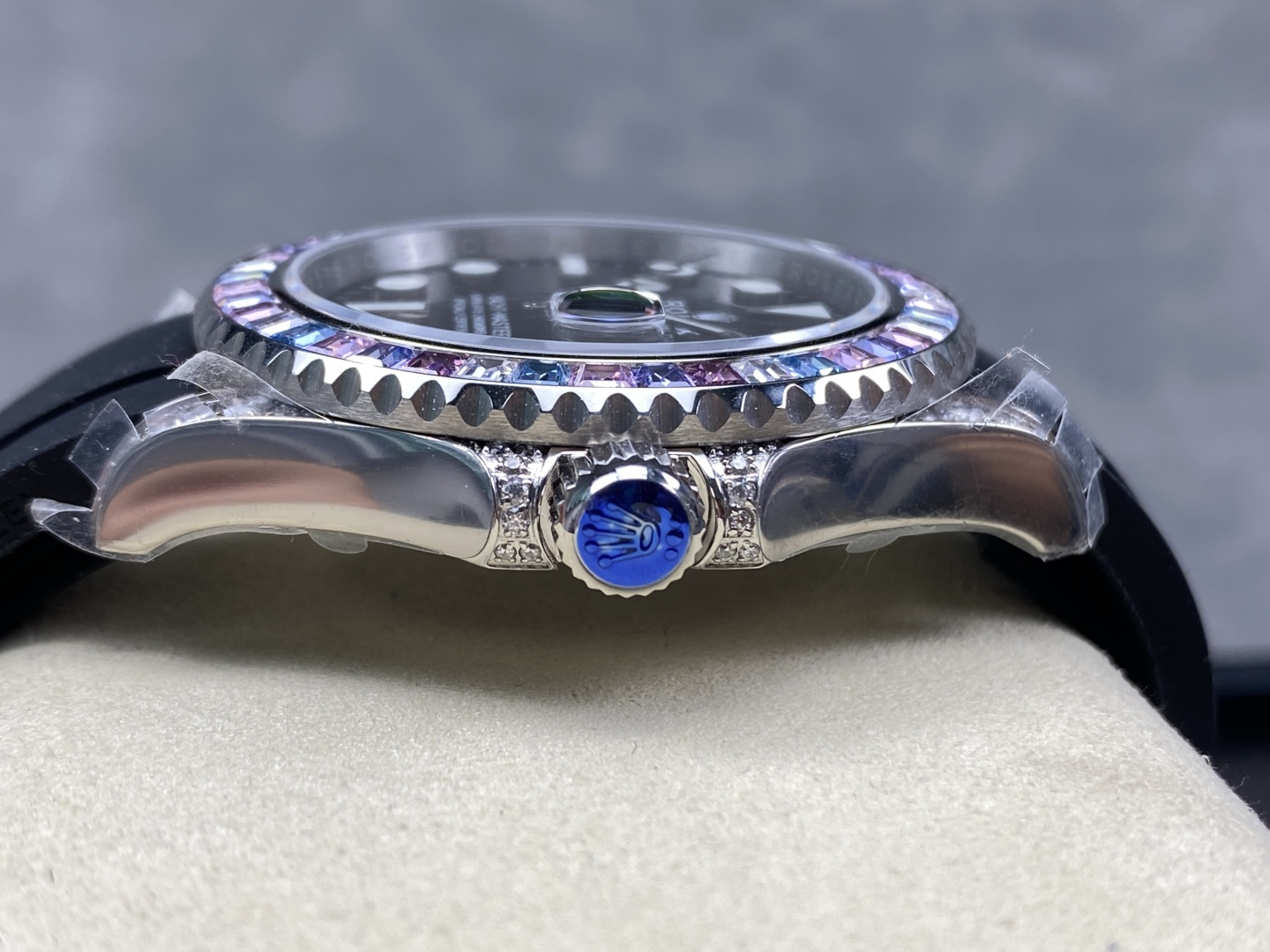
When you wear a premium replica, the things that stand out are the case shape, the bezel edge, and the bracelet feel. The top factories now produce cases that are extremely close to the genuine dimensions. The lug width, the thickness, and the crown guard profile are almost indistinguishable to the naked eye. The bezel action on a ceramic Submariner replica, for example, has the same crisp, 120-click rotation with virtually no back-play. The crystal is usually a sapphire with a proper anti-reflective coating, so the dial remains legible in all lighting conditions. The bracelet, in many cases, is the weak link. Even the best replicas struggle to replicate the silky, buttery feel of a genuine Rolex Oyster bracelet. The end links may not fit the case as tightly, and the clasp may feel a little more hollow.
Why the “Macro Test” Is Misleading
One common mistake is relying on macro photography to make a purchase decision. The internet is full of comparison shots showing a tiny difference in the font spacing or the thickness of the rehaut. This is a trap. In real-world conditions, you are never going to see your watch under the exact lighting and angle that reveals these flaws. You are going to see it on your wrist, in natural light, at arm’s length. At that distance, the only visible tell is the bracelet finish and the way the light hits the bezel. The best factories have refined their polishing techniques to the point where the case and bezel reflect light in a way that is very close to the genuine article. The difference is subtle enough that even experienced wearers will need a loupe to be sure.
So What Should You Actually Check?
Based on my experience, there are three areas that matter more than macro details. First, the bezel insert. On a good replica, the numbers on the ceramic insert should be filled with platinum or a convincing platinum-like substance, and they should sit slightly below the surface of the ceramic. Second, the date window. The date should sit perfectly centered in the window, with no shadow or clipping at the edges. Third, the crown. The winding crown on the replica should screw down smoothly and feel solid when it engages. If the crown feels gritty or the threads are sloppy, that is a red flag. These three checks will catch 90% of the issues that actually matter in daily wear.
Wrist Test vs Macro Test – Why Real-World Wear Tells the True Story
I want to introduce a concept that I have not seen covered in most online guides: the difference between the wrist test and the macro test. This is a distinction that I developed after buying several watches that looked flawless in photos but felt disappointing in person.
What the Macro Test Is
The macro test is what most reviewers do. They put the watch under a microscope or a high-megapixel camera and compare every single detail. They look at the cyclops magnification, the date font, the coronet logo, the laser etch on the crystal, and the exact shade of the dial. This test is useful for identifying the best factory for a specific model. For example, I have seen Clean Factory consistently nail the dial markers on the Submariner, while VSF has better bezel inserts. But the macro test only tells you about the static visual presentation.
What the Wrist Test Is
The wrist test is what you actually do when you wear the watch. It involves the feel of the bracelet on your skin, the weight of the case on your wrist, the angle at which the dial catches the light, and the sound of the movement when you move your arm. It is not about comparing two watches side by side under identical lighting. It is about wearing the watch in your daily environment and seeing whether it feels natural or artificial.
Why This Distinction Is Critical
From what I have seen, many buyers get frustrated because they buy a watch that passes the macro test but fails the wrist test. The dial looks perfect in photos, but the bracelet feels stiff and uncomfortable. The bezel aligns correctly, but the watch sits too high on the wrist because the case back is slightly thicker than the genuine. These are not flaws that you can identify in a macro shot. They are experiential flaws. The best factories are the ones that optimize for the wrist test, not just the macro test. In my experience, VSF and Clean Factory both produce watches that do well in the wrist test because they pay attention to the bracelet geometry and the case profile. Other factories may produce sharper dials, but their cases feel blocky and unnatural.
So What Should You Prioritize?
If you are choosing between two replicas, one with a slightly better dial and one with a better bracelet, I would always recommend the better bracelet. The dial is something you look at. The bracelet is something you feel. A watch that feels right on the wrist will make you forget that it is a replica. A watch that feels off will annoy you every time you put it on. I have owned replicas with incredible dials that I stopped wearing because the bracelet hurt my wrist after two hours. I have also owned replicas with slightly less accurate dials that I wore every day because they felt exactly like the genuine watch I used to own. The wrist test is the ultimate decider.
Three Buyer Misconceptions That Lead to Bad Purchases
Over the years, I have made plenty of mistakes. I have bought watches based on hype, based on photos, and based on the recommendations of people who had never held the watch in their hands. Here are the three most common misconceptions that I see repeated in forums and review sites.
Misconception 1: The Most Expensive Replica Is Always the Best
This is the easiest trap to fall into. The replica market has a very clear price ladder. The cheapest replicas cost around $100. The premium ones cost $400–$600. The super clones can cost $600–$800 or more. Many buyers assume that the $800 watch is automatically twice as good as the $400 watch. In practice, that is rarely true. The price difference usually comes from a few specific upgrades: better movement, higher-grade steel, or a more refined finish on the bracelet. But if the $400 watch already has a decent movement and a solid case, the extra $400 may not buy you any noticeable improvement in daily wear. One common mistake is assuming that the most expensive version from the best factory is always the right choice. It is not. You need to match the watch to your own expectations. If you are a collector who will study the watch under a loupe, then the premium version may be worth it. If you just want a good-looking watch that works well, the mid-tier version from a reputable factory is often the smarter buy.
Misconception 2: The Movement Must Be 1:1 to Be Good
There is a persistent myth that if the movement is not a 1:1 clone, the watch is worthless. This is not true. There are many replicas that use modified ETA or Seiko movements with a decorative rotor that looks vaguely like the Rolex 3235. These movements are not visually identical, but they are often more reliable and easier to service than the 1:1 clones. The 1:1 clone is beautiful inside, but it is a niche product for enthusiasts who care about the internal architecture. For a casual buyer who just wants a watch that keeps time and looks great, the modified ETA movement is a completely valid option. It may even be a better option because you can find a local watchmaker to fix it if something goes wrong. The 1:1 clone is a sealed unit that requires specialized knowledge to service.
Misconception 3: A Watch That Passes the “Water Test” Is Waterproof
This is a dangerous one. Some dealers claim that their replicas are waterproof or have been tested to 100 meters. In my experience, these claims are almost always exaggerated. The gaskets on a replica are often low-quality rubber that dries out and shrinks over time. The crown threads may not seal as tightly as the genuine. Even if a watch survives a quick dip in a bowl of water, that does not mean it is safe for swimming or showering. I have seen several people ruin a perfectly good replica by wearing it in the shower because a dealer told them it was waterproof. My rule is simple: never take a replica into water. Treat it like a water-resistant watch, not a waterproof one. The risk is simply not worth it.
Clean Factory vs VSF – A Real-World Comparison
There are two factories that dominate the premium replica Rolex market right now: Clean Factory and VSF. Both produce exceptional watches, but they have different strengths and weaknesses. In this section, I will compare them based on my actual purchases and the feedback I have gathered from other experienced buyers.
Clean Factory – The King of the Dial
Clean Factory has built its reputation on the dial. Their dials are incredibly accurate in terms of color, font, and marker placement. The hands on a Clean Factory watch are sharp and precise, with the correct proportions. The date wheel is also very good, with a font that closely matches the genuine. In terms of visual accuracy, Clean Factory is often the best choice for models where the dial is the focal point, such as the Datejust or the Daytona. The downside is that the bracelet on Clean Factory watches can be hit-or-miss. I have owned Clean Factory pieces where the bracelet felt solid and comfortable, and I have owned others where the end links had noticeable play. The movement is usually a clone 3235 or 4130, and it performs well, but not significantly better than VSF.
VSF – The Better All-Rounder
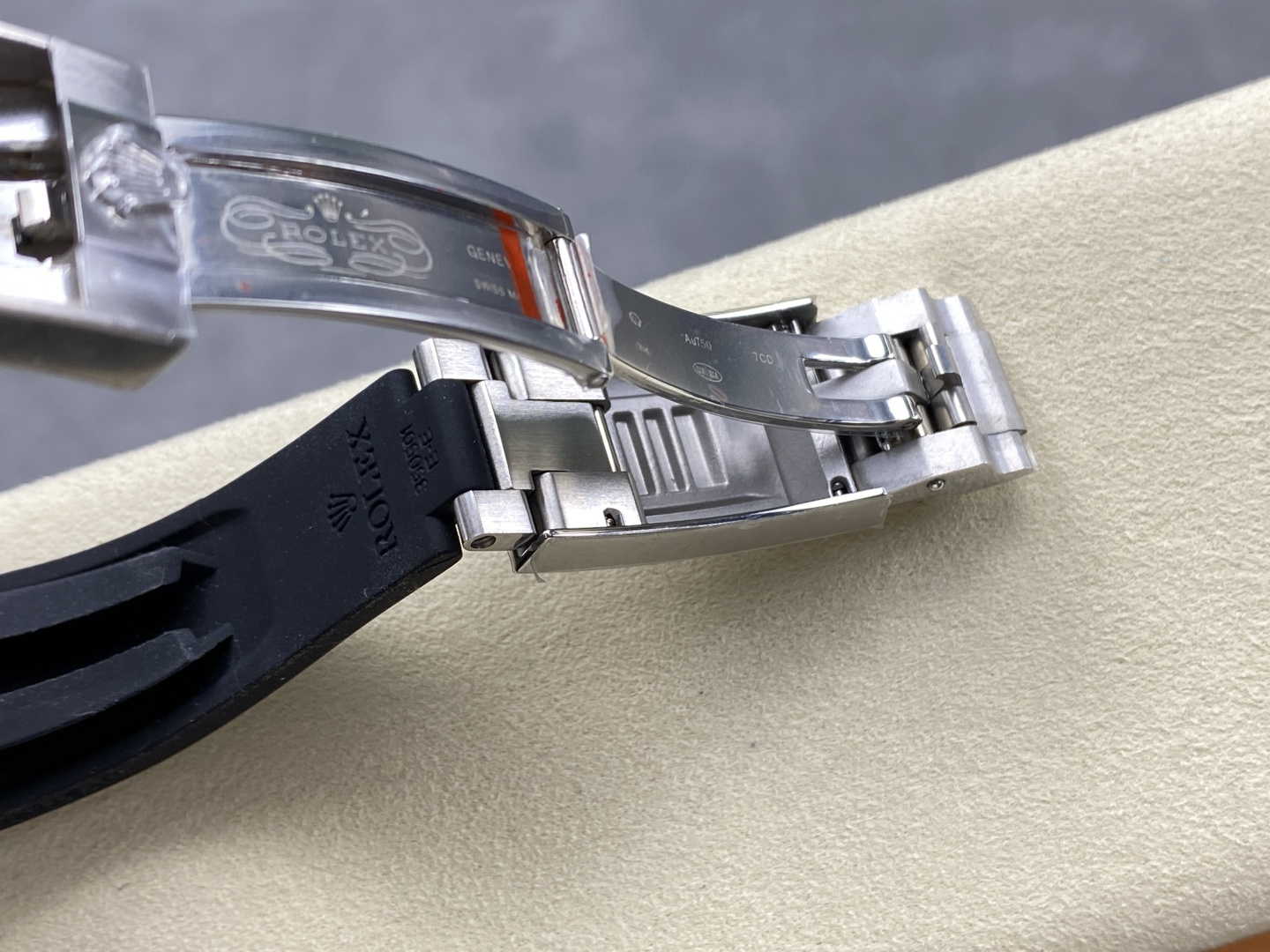
VSF is known for its case and bracelet quality. The case finishing on VSF watches is consistently excellent, with smooth edges and a polished finish that feels more refined than Clean Factory’s. The bracelet on VSF watches also tends to have better tolerances, with tighter end links and a clasp that snaps closed with more authority. In terms of the wrist test, VSF consistently outperforms Clean Factory. The watches feel more substantial and more comfortable on the wrist. The dial on VSF is also very good, but some experts have pointed out that the font can be a little too bold on certain models. For the 3235-powered watches, VSF uses a clone movement that is comparable to Clean Factory’s in terms of stability and power reserve. VSF also has a reputation for better customer service and more consistent quality control.
The Verdict Based on Experience
If you are buying a watch where the dial is the main attraction, such as a Wimbledon Datejust or a Pepsi GMT, Clean Factory is a strong choice. The dial accuracy is hard to beat. But if you are buying a watch that you plan to wear every day, such as a Submariner or an Explorer, I lean toward VSF. The better bracelet and case finish make a real difference in daily comfort. In my experience, VSF is the safer bet for a first-time buyer because the overall package is more balanced. Clean Factory is for the enthusiast who wants to inspect the watch with a loupe and appreciate the micro-details.
Practical Advice for First-Time Buyers
If you are reading this and considering your first purchase, here is the advice that I wish someone had given me seven years ago.
Start with a Solid Movement
Do not buy a cheap replica with a low-quality movement just to test the waters. It will break within a year, and you will end up with a paperweight. The extra money for a clone movement is worth it. A good movement will last for several years with proper care.
Buy from a Trusted Source
I have purchased from various dealers over the years, and I have learned that the dealer is just as important as the watch. A good dealer will accurately describe the watch’s flaws, provide detailed photos, and offer a reasonable return policy. My personal recommendation is replicafactory.cx. They have been reliable in my experience, with good communication and consistent quality. I have bought multiple watches from them, and I have not been disappointed.
Expect Some Imperfections
No replica is perfect. Even the best super clone will have a minor flaw if you look hard enough. The goal is not to find a flawless replica. The goal is to find a replica that satisfies your own personal standards. If you obsess over every tiny detail, you will never be happy. Accept that the watch is not a genuine Rolex, and you will enjoy it much more.
Do Not Overpay for Hype
Some dealers charge a premium for a watch simply because it is from a popular factory. That premium is not always justified. Do your own research, look at actual user reviews, and compare prices across multiple dealers. In the replica market, the same watch from the same factory can cost $100 more from one dealer than another. That is not because the watch is better. It is because the dealer has higher margins. Take your time and find a fair price.
Think About the Future
The replica market changes quickly. Factories open and close. Movements get upgraded. New batches come out with better bezel inserts. The watch you buy today may be considered obsolete in two years. That is fine. These watches are not investments. They are accessories. Buy the watch because you like it, not because you think it will hold value. If you treat it as a consumable item, you will make better decisions.
FAQ
+
In my experience, a well-maintained clone movement can last three to five years before it needs attention. The key is to avoid overwinding and to keep the watch away from strong magnetic fields. The main risk is that the balance staff or the mainspring may fail, and replacement parts are not easy to find. I would not expect it to last as long as a genuine Rolex movement, but it is not a disposable item either.
+
No. I would strongly advise against it. Even if the watch is marketed as water-resistant, the gaskets are not the same quality as the genuine article. A splash from rain or a few drops of water while washing your hands are usually fine, but swimming, showering, or snorkeling are risky. I have seen too many replicas ruined by water damage.
+
No. The vast majority of high-end replicas, including the super clones, are manufactured in China. Some dealers may use the term “Swiss replica” as a marketing gimmick, but it is misleading. If you are paying for a premium replica, you are paying for Chinese manufacturing at a very high standard. I have never seen a genuine Swiss-made replica that is better than the top Chinese factories.
+
This is a strange question, but it comes up often. If you are buying a replica, you obviously know it is not genuine. The more useful question is: how do I spot a low-quality replica? The easiest way is to look at the date wheel. A low-quality replica often has a date that is not centered, or the font is too thick. The bezel action on a cheap replica is also very loose and uneven. The bracelet will feel hollow and rattly.
+
Currently, VSF and Clean Factory are the two leaders for the Submariner with the 3235 movement. I have owned both, and I find the VSF version slightly better in terms of case feel and bracelet smoothness. The Clean Factory dial is marginally better, but the overall package from VSF is more satisfying for daily wear.
+
I have seen many collectors buy replicas as “beaters” that they can wear in rough situations without worrying about damaging a $10,000 watch. That is a valid use case. But if you are buying a replica because you want to own the watch without spending the money, you need to accept that it is not a substitute for the genuine article. It is a different product entirely. It looks like a Rolex, but it is not a Rolex.
+
In my personal experience, yes. I have bought several watches from them, and the quality has been consistent. They are transparent about what they are selling, and they provide clear photos before shipping. I would recommend them to a friend who is serious about getting a high-end replica.
+
First, check if it is just a dead mainspring. Wind it fully and give it a few taps. If it still does not start, the issue is likely inside the movement. For a clone 3235, do not take it to a local watchmaker. They will not have the right parts or the right skills. Instead, contact your dealer. Many dealers offer a repair service or a replacement movement for a fee. In my experience, it is often cheaper to buy a new movement than to pay for a repair.